Our Values and Philosophy
At the law firm Soukeník – Štrpka, we believe that the law is not merely a collection of statutes and procedures. It is also a matter of values, responsibility, cultural memory, and the ability to distinguish between what is formally correct and what is just, reasonable, and sustainable in the long term.
That is why we have named our conference rooms and lounge after prominent legal philosophers. Each represents a distinct school of legal thought, yet together they form a set of values to which we are committed: systematicity, justice, precision in argumentation, human dignity, integrity, and perspective.
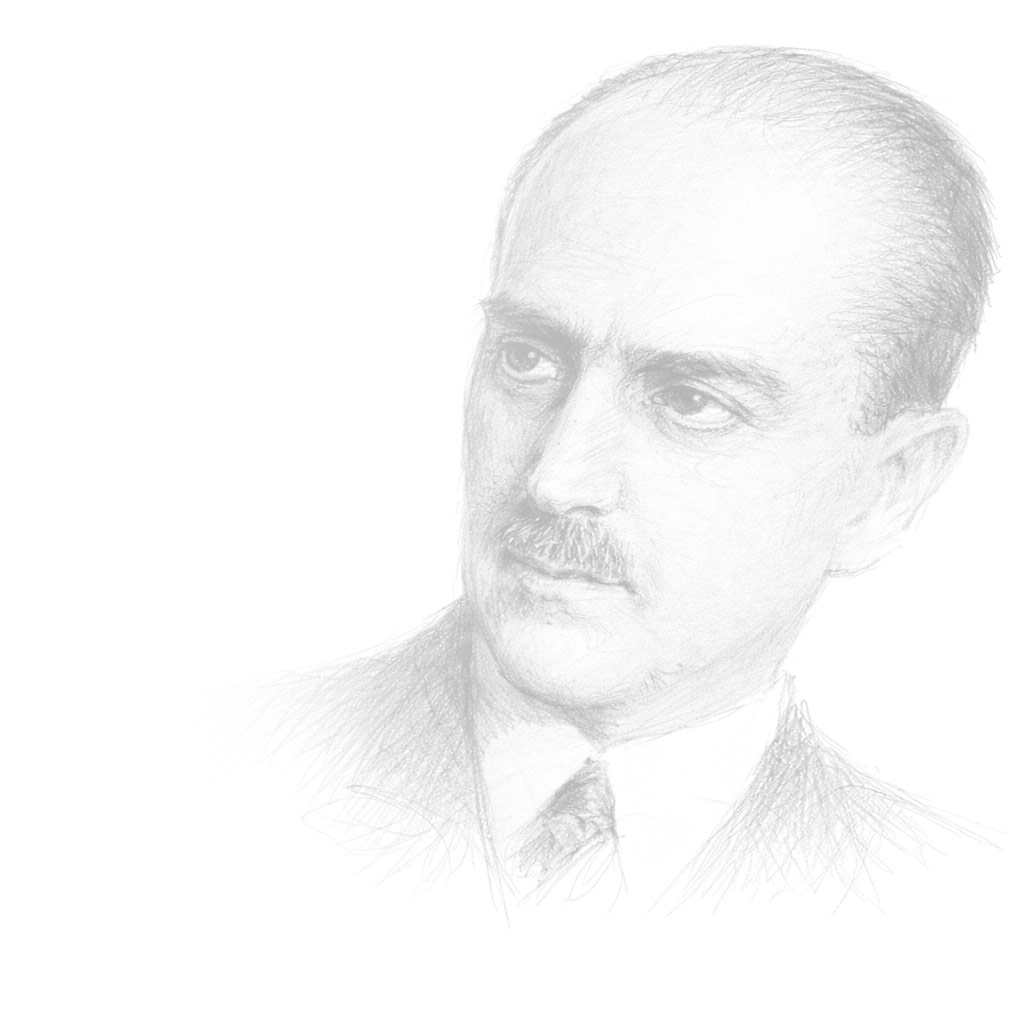
Legal Positivism and the Normative System
For us, Kelsen embodies systematicity, precision, and respect for the internal logic of law. He reminds us that sound legal argumentation rests on conceptual clarity, structure, and disciplined thinking.
Justice as a corrective to formalism
Radbruch points out that form alone is not enough if justice is lost. His legacy brings an ethical dimension and sensitivity to the limits of the law into legal reasoning.

Principles, Proportionality, and Discourse
Alexy conceives of law as a space for argumentation, the balancing of principles, and the search for the right solution. He emphasizes the importance of rationality, proportionality, and persuasive argumentation.

Natural Law and the Common Good
Finnis introduces the concepts of the common good, human dignity, and the purpose of rules into the realm of law. His perspective reminds us that law is meant to serve people and society, not merely a formal order.

Law as Integrity
Dworkin emphasizes that law cannot be reduced to a technical matter or a decision based on power. His philosophy is grounded in the protection of individual rights, consistency, and fidelity to principles.
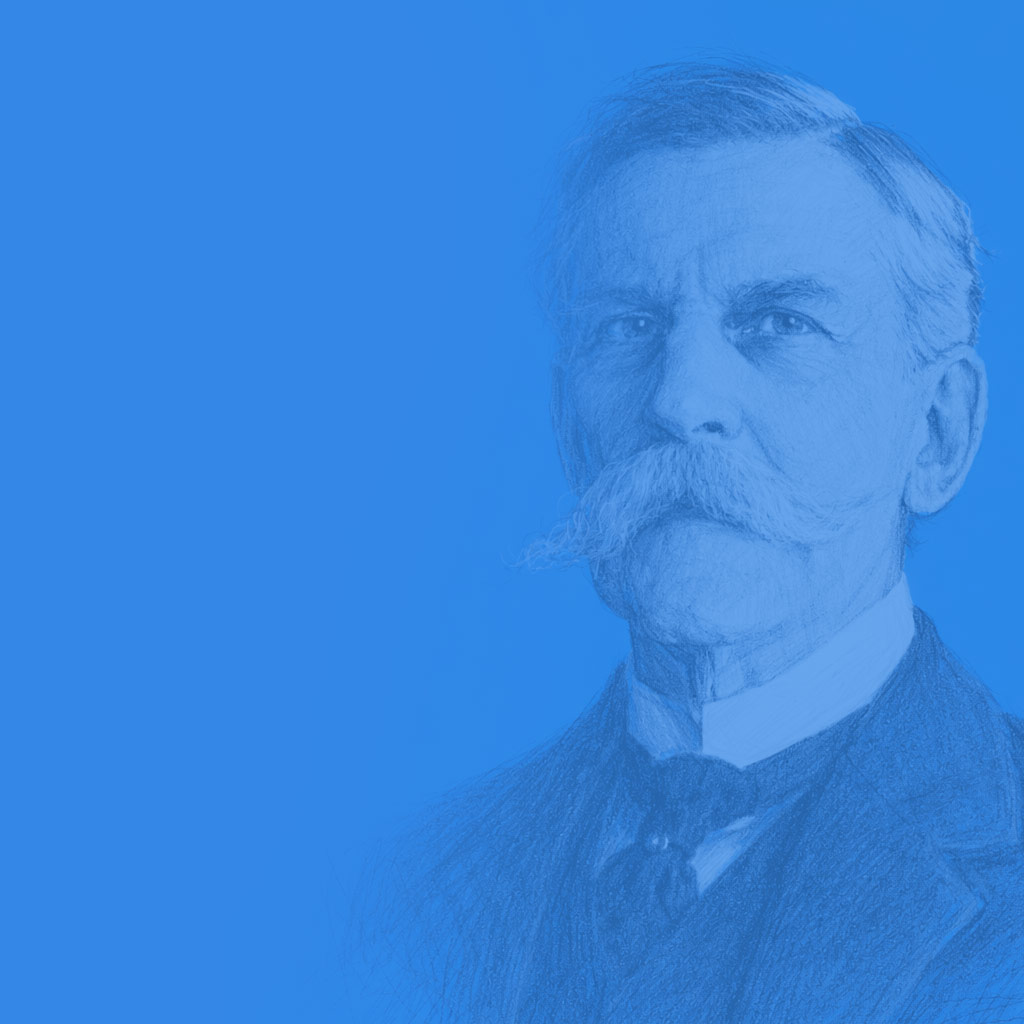
Experience, Perspective, and Humanity
Holmes reminds us that the law is not created in a vacuum, but through engagement with life, experience, and reality. He brings pragmatism, perspective, and natural civility to our environment.