Back to the list
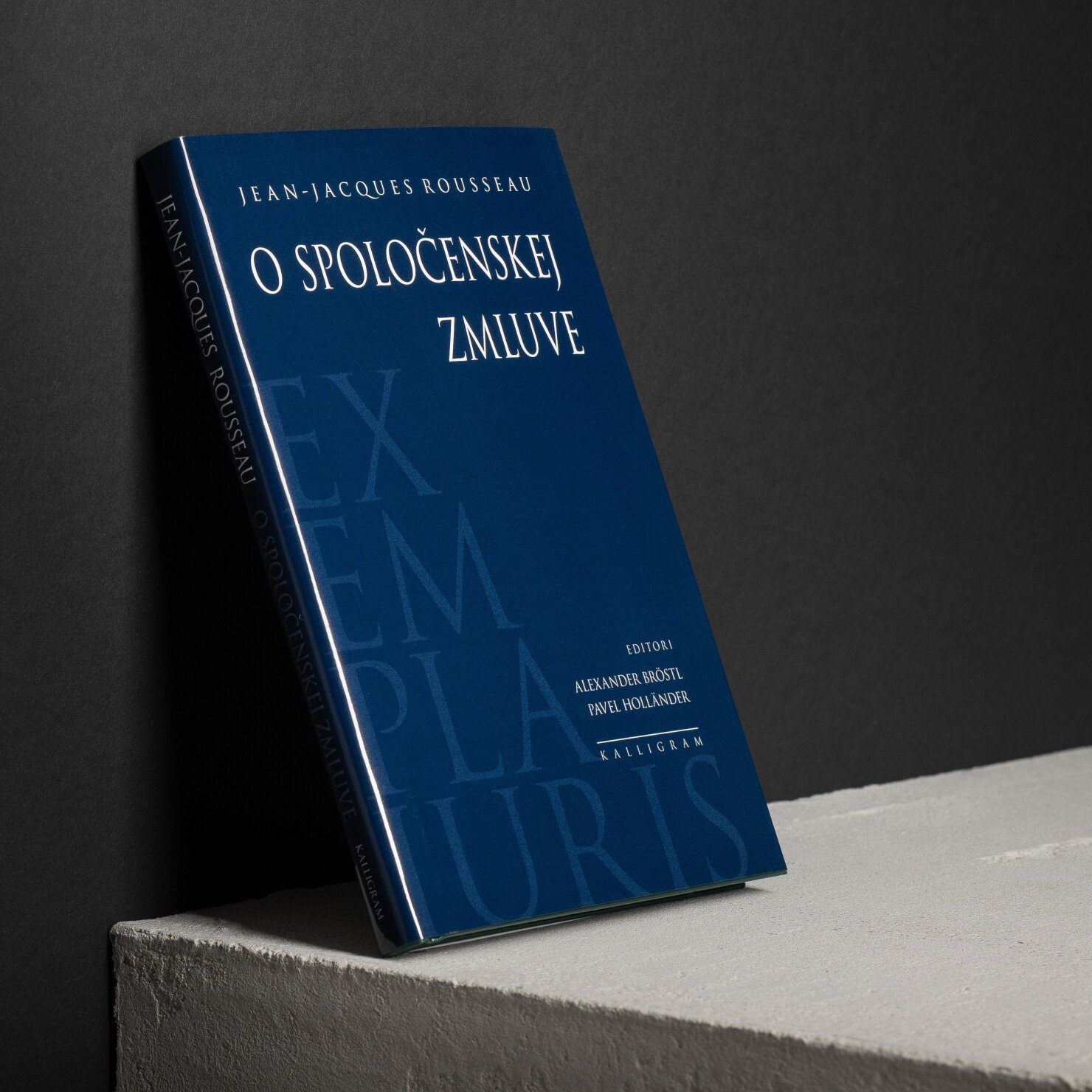
“The oldest and the only natural of all societies is the family. Yet children remain bound to the father only for as long as they need him for their survival. Once that need ceases, the natural bond is dissolved. The children are released from the duty to obey the father, the father from the duty to care for the children, and all become equally independent. If they remain united, they do so not by nature but voluntarily, and the family itself is maintained only by agreement.This common freedom derives from the nature of man. His first law is to attend to self-preservation, and his first concerns are duties owed to himself. As soon as he reaches the age of reason, he becomes his own master and judges for himself the means appropriate to his self-realisation.The family is thus the first model of political societies: the head of state is the image of the father, the people are the image of the children, and all are born equal and free, surrendering their liberty only for their own benefit. The only difference lies in the fact that, in the family, the father’s love and care are repaid by the children, whereas in the state its head has no such love for the people and has replaced it with a taste for rule.”Author: Jean-Jacques Rousseau
Tags:
Exempla Iuris